The MINI Electric Pacesetter inspired by JCW is the new Safety Car for the ABB FIA Formula E World Championship race series.
As such, it connects the brand’s electrified future with the rich racing history of John Cooper Works. The car was created out of the new MINI Electric as part of an unprecedented collaboration between MINI Design, BMW Motorsport, the FIA and the Formula E.
Electric drive meets John Cooper Works. “We have already shown how well driving fun and electric mobility go together with the MINI Electric,” says Bernd Körber, Head of MINI. “However, the MINI Electric Pacesetter inspired by JCW goes at least a step further and blends the performance character of the John Cooper Works brand with electric mobility. This extreme version of the MINI Electric has been developed as the Safety Car in the Formula E, so is clearly not intended for use on public roads. But it does reveal one of the directions we could take with the electrification of the JCW brand. For me, the message is clear: electrification and John Cooper Works are a good fit.”
Dynamism maximised – the exterior design. The exterior of the MINI Electric Pacesetter inspired by JCW has been purpose-built for life on the track and represents the most dynamic interpretation yet of a MINI with all-electric power. “The design is an exciting symbiosis of technical precision and emotion,” explains Oliver Heilmer, Head of MINI Design. “Here, function dictates form, and many design elements have been shaped by technical considerations.
For example, we worked closely with our colleagues at BMW Motorsport to develop the form of the wheel arches and front and rear aprons, and the optimisation programme for them included weight-saving measures. This visually striking, technically precise design language gives the car its pervasive sense of emotional engagement and excitement.”
At the front of the car, classic MINI icons such as the circular headlights and hexagonal radiator grille create the familiar, easily recognisable MINI face. At the same time, signature John Cooper Works elements, such as wheel arches adapted to the car’s track width and the deep front apron with additional front splitters to the left and right, enhance the sporting visuals of the front end. The blanked off “radiator grille” and MINI Electric logo point to the electric “heart” of the Safety Car.
As virtually no drive system cooling is required through the upper area of the grille, the front end is largely enclosed to aid aerodynamics. The only exceptions are the area below the grille and the eye-catching, almost squared-off apertures for brake cooling. The Safety Car’s white flashing lights are integrated harmoniously into the bonnet. Characteristic MINI bonnet stripes extend over the roof to the rear end.
Showcasing MINI’s racing genes – the flanks. The MINI Electric Pacesetter inspired by JCW also cuts an extremely dynamic figure from the side. The interplay of geometrically accentuated spats (with carefully placed aero edges) and sporty side skirts gives the car the appearance of powering forward even before it turns a wheel. Together with the increased-diameter wheels, which almost fill the wheel arches, these elements strengthen the time-honoured MINI “stance on the wheels”. The spats and spoilers are made – or more precisely 3D printed from recycled carbon fibre – in Oxford.
Yellow accent lines and surfaces on the aero elements (e.g. the spats, skirts and rear wing) provide a nod to the airflow optimisation taking place in these areas and add a visual flourish to the air deflectors and aero edges. The lightweight 18-inch forged wheels in bi-colour black-neon/orange design bring significant visual depth and added intricacy to the four-spoke items from the MINI John Cooper Works GP.
The respective colour worlds of the MINI Electric and John Cooper Works brand merge into a single statement here. The main body colour is a matt silver which extends back beyond the centre-point of the car. A high-gloss wrap with a two-stage colour gradient – from Highspeed Orange to Curbside Red metallic – then covers the rest of the body to the rear.
The contrast between matt and gloss surfaces brings extra smoothness to the silhouette, while the clear, diagonal separation lines between the different colours injects further dynamism. On the flanks, a chequered flag-inspired pattern shares the stage with a large MINI Electric logo, which can also be found in the radiator grille, on the roof and at the rear end. The Safety Car brief also brings regulations-specific and sponsor-related graphics, which add further visual intensity to the car’s racing character.
Broad and eye-catching – the rear. The rear end in black and Curbside Red metallic uses yellow accent surfaces to extend the eye-catching design language from the front end and flanks, and makes an extremely modern and dynamic statement. The prominent roof-mounted rear wing with air through-flow and yellow accent lines also integrates the signal light unit and was 3D printed at Plant Oxford. The flared wheel arches accentuate the car’s wide track and transition seamlessly into the pronounced rear apron. The rear apron has cut-outs around the wheels, clearing the view to the higher-grip racing tyres. Between the wheels sits an unadorned diffuser. When the car is viewed from this angle, the accents in Energetic Yellow and lack of exhaust tailpipes identify this as a car powered by an electric drive system.
Reduced to the max – the interior. The interior is stripped back to the absolute essentials; only the front seats remain. The driver’s area consists of a certified seat with six-point belt approved for both racing and road use, a steering wheel with minimalist-design carbon fibre impact absorber and a digital instrument cluster. The central information display makes way for a carbon fibre cover here to further reduce weight. The centre console houses the gearshift lever, handbrake and controls for the necessary signal lights – all in exposed carbon fibre.
The likewise pared-back carbon-fibre door panels with window and door openers contain cloth straps to make closing the doors easier. Another central feature of the interior is the welded-in roll cage, which maximises safety. And the remainder of the stripped-out interior structure is also painted in typical racing white (for functional reasons).
Bespoke 3D-printed parts for the interior. The steering wheel’s minimalist impact absorber and the boost panel on the right-hand side of the wheel are high-quality, custom-made components, likewise the centre console cowling and door panelling on the driver’s side. Another highlight are the removable pads on the sport seat, which are likewise 3D-printed and whose innovative structure combines comfort, robustness and modularity. The thickness, hardness and colour of the pads can be adapted as required according to the physiognomy, weight and personal taste of the driver at hand.
Ready for the race track, helped by knowhow from BMW Motorsport. Behind the visually powerful design of the MINI Electric Pacesetter inspired by JCW lies the expertise of BMW Motorsport. Rigorous adherence to lightweight design principles gives the Safety Car a kerb weight of approx. 1,230 kg – which makes it approx. 130 kg lighter than the standard MINI Electric.
The drive system – also based on that found in the MINI Electric – produces 135 kW and 280 Nm (206 lb-ft), which enables the MINI Electric Pacesetter inspired by JCW to sprint from 0-62 mph in 6.7 seconds (standard model: 7.3 s) and from 0-37 mph in 3.6 seconds (standard model: 3.9 s). Even more important for a Safety Car, though, are the mid-range figures. Here, the MINI Electric Pacesetter inspired by JCW showcases all the talents of its torque-rich electric drive system with single-speed transmission, enabling a 75 mph time of 4.3 seconds (standard model: 4.6 s).
The drive system teams up with racing coilover suspension (three-way adjustable for rebound, compression, height and camber) to deliver maximum go-kart feeling. Race-spec suspension control arm mountings, a 10 mm increase in track width, plus the four-piston brakes and wheels from the MINI John Cooper Works GP with Michelin Pilot Sport tyres (size 245/40 R18) round off the overall package.
Premiere at the Rome E-Prix on 10.04.2021 The MINI Electric Pacesetter inspired by JCW will come into use in Rome on 10 April 2021 at the second event (Race 3) of Formula E’s 2021 season. At the wheel will be official Formula E Safety Car driver Bruno Correia, as BMW i Andretti Motorsport drivers Maximilian Guenther (GER) and Jake Dennis (GBR) battle it out for victory in their BMW iFE.21 racers.
“Agility, performance and a cool looking car. The MINI Electric Pacesetter Safety Car of FIA Formula E World Championship has got it all. Very fun to drive, it feels like karting”, said Correia.
EV6 is the symbol of Kia’s new brand and the first BEV built on new dedicated EV platform
Choice of multiple zero-emissions powertrain configurations; over 510 kilometres from a single charge
800V ultra-fast charging from 10 to 80 per cent in just 18 minutes; 100 kilometres in less than 4.5 minutes
EV6 GT accelerates from 0-to-100km/h in 3.5 seconds with top speed of 260km/h
New EV architecture delivers spacious interior and high-tech features for an intuitive user experience
Advanced Driver Assistance System includes Highway Driving Assist 2 and Remote Smart Parking Assist
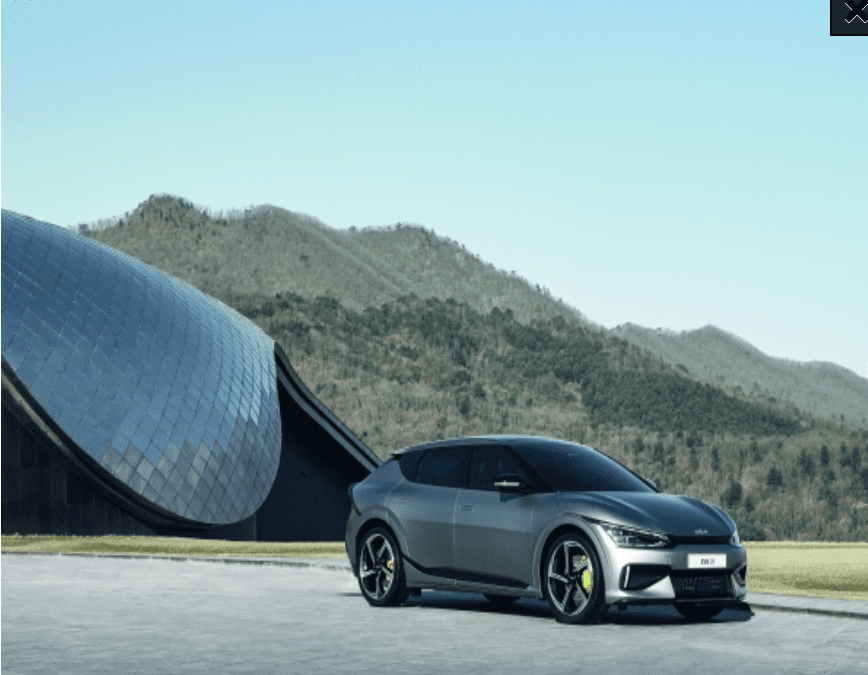
The new Kia EV6 brings long-range, zero-emissions power, 800V ultra-fast charging and distinctive styling to the crossover SUV market.
The EV6 is Kia’s first car to be based on the company’s dedicated new platform for battery electric vehicles (BEVs).
This pioneering crossover – the first dedicated BEV launched under the new Kia design philosophy ‘Opposites United’ – displays a future-oriented EV design characterised by high-tech details. It is powered exclusively by electric energy, with a choice of multiple long-range, zero-emissions powertrain configurations. The 800V charging capability means EV6 can go from 10 to 80 per cent battery charge in just 18 minutes, while the GT version, engineered to inspire consumers with exciting driving performance, can accelerate from 0-to-100km/h in 3.5 seconds with a top speed of 260km/h.
The EV6 is the first dedicated BEV produced by Kia using the all-new Electric-Global Modular Platform (E-GMP), and forms the first part of Kia’s transition to the new era of electrification under the new brand slogan, ‘Movement that inspires’. It also begins the mid-to-long term strategy for BEVs, plug-in hybrid (PHEV) and hybrid electric (HEV) vehicles to make up 40 per cent of Kia’s total sales by 2030, with an annual sales target of 1.6 million units for these eco-friendly models. As part of this, Kia aims to grow its BEV sales to 880,000 units in 2030 and become a top global seller. EV6 is the first of 11 new BEV models from Kia by 2026 – seven built on E-GMP architecture, and four derivative EVs based on existing models.
“EV6 is the embodiment of the new Kia. It is born to inspire every journey, through bold design, progressive engineering, innovative technologies, and exciting electric performance,” Ho Sung Song, Kia’s President and CEO said. “EV6 also represents the beginning of Kia’s long-term commitment to sustainable mobility, accelerating the transition not only to clean transportation, but also products, materials and manufacturing.”
The EV6 will be produced in South Korea. It will go on-sale in select global markets starting from the second half of 2021, with online reservations beginning from 30 March in some markets.
New Kia design direction New design language strikes a balance between contrasting forces The EV6 was designed under the brand’s new design philosophy ‘Opposites United’, which takes inspiration from the contrasts found in nature and humanity. At the centre of the design philosophy is a new visual identity evoking positive forces and natural energy, with contrasting combinations of sharp stylistic elements and sculptural shapes.
Karim Habib, Senior Vice President and Head of Kia Global Design Centre, elaborated: “EV6, as the first dedicated Kia EV, is a showcase of human-centred, progressive design and electrified power. We strongly believe EV6 is a compelling and relevant model for the new EV era. With EV6 we aimed to create a distinctive, impactful design by using a combination of sophisticated, high-tech features on pure and rich volumes while providing a dedicated EV aiming to define our future.”
Designed to deliver something different in the crossover class, the GT version of the EV6 offers a distinctive, impactful exterior with high-tech features, as well as unprecedented levels of performance from a Kia electric vehicle.
At the front, Kia’s ‘tiger face’ has been re-interpreted for the digital era. Forming part of this ‘Digital Tiger Face’, daytime running lights display a sleek, modern appearance and include a ‘sequential’ dynamic light pattern. Below this, a low air intake visually widens the front of the car, accentuating its high-tech image.
The side profile displays a crossover-inspired silhouette, which is modern, sleek and aerodynamic. A character line runs along the bottom of the doors, curving upwards towards the rear wheel arches to visually elongate the profile of the car. Designed in part to realise ultimate aerodynamic performance, the rear displays a sloping C-pillar with an integrated black glossy insert which appears to extend the window glass. Above this sits a prominent wing-type roof spoiler that channels air downwards towards a raised lower spoiler, which sits atop the car’s unique rear light cluster.
Inspiring space Versatile and spacious inside thanks to the flat battery under the floor A distinct product of the EV era, the interior design benefits greatly from the application of Kia’s dedicated E-GMP platform. Despite the EV6’s compact exterior dimensions, its 2,900mm wheelbase results in a cabin space similar to many mid-size SUVs.
Jochen Paesen, Vice President for Interior Design, commented: “People are first attracted by the exterior of cars, but they eventually fall in love with the interior – where they spend most of their time. So, designing an inspiring space for the EV6 was the most important thing for us. We believe EV6 can inspire customers by boosting their creativity.”
One of the most striking elements is a seamless high-tech curved infotainment screen. The simple form language of the wide screen and dashboard give the interior an open feel.
Relaxation seats are slim, lightweight and contemporary, and clad in modern, visually interesting and robust fabrics created using recycled plastics – equivalent to 111 plastic water bottles.
The EV6 offers intelligent and flexible interior packaging and an abundance of cabin storage areas, including 520 litres (VDA) of boot space with the second-row seats in place. With the second-row seats folded down, stowage capacity increases to approximately 1,300 litres. The car also features a front trunk which provides up to an additional 52 litres of stowage space for 2WD models and 20 litres for AWD models.
Electric Power Long-range, all-wheel drive and zero-emissions The EV6 offers buyers a choice of multiple fully-electric, zero-emission powertrain configurations, including long-range (77.4kWh) and standard-range (58.0kWh) high-voltage battery packs. EV6 GT-line is available with both long-range and standard-range battery packs, while EV6 GT features the long-range battery pack only. This is Kia’s first electric vehicle to be available with two-wheel (2WD) or all-wheel drive (AWD) options – the latter offering enhanced dynamic capability in even the most challenging conditions.
The 2WD 77.4kWh EV6 can travel over 510 kilometres (316 miles) on a single charge on the WLTP combined cycle. With a maximum 605Nm torque available on the AWD version, the EV6 can accelerate from 0-to-100km/h in just 5.2 seconds. The 77.4kWh battery pack is paired with a 168kW (229ps) electric motor powering the rear wheels, and for AWD models two electric motors, powering the front and rear axles, produce a total of 239kW (325ps).
The 58.0kWh EV6 can accelerate from 0-to-100 km/h in 6.2 seconds, with a maximum 605Nm torque available on the AWD version. The 58.0kWh battery pack is paired with a 125kW electric motor powering the rear wheels; AWD models feature two electric motors, powering the front and rear axles and producing a combined 173kW (235ps).
Platform flexibility for electric performance Kia’s new dedicated E-GMP reduces complexity through modularisation and standardisation, allowing rapid and flexible development of products with varied attributes. This flexible development can satisfy various customer needs for vehicle performance within a single model line like EV6.
Equipped with 430kW dual motors, the EV6 GT takes electric performance to another level. With a maximum 740Nm torque, the AWD GT version accelerates from 0-to-100km/h in an eye-watering 3.5 seconds and can reach a top speed of 260km/h (preliminary development targets). With the addition of electronic-Limited Slip Differential software to the EV6 GT version only, drivers will enjoy confident control and dynamic ride and handling in all conditions.
“The GT version of EV6 demonstrates our technological leadership through its combination of outstanding high-speed charging and acceleration performance like a super sports car. With our dedicated EV platform, there is no need for compromise between inspiring spaciousness and performance,” said Albert Biermann, President and Head of R&D Division for Hyundai Motor Group.
800V Ultra-Fast Charging 80 per cent charge in just 18 minutes; new vehicle-to-load (V2L) function The EV6 offers 800V and 400V charging capabilities, without the need for additional components or adapters. The car is capable of a high-speed charge from 10 to 80 per cent in just 18 minutes on all variations or a top-up charge of 100km of driving range in less than four and a half minutes when pairing 2WD with the 77.4kWh battery option.
The car’s charging system is more flexible than previous generation BEVs thanks to an Integrated Charging Control Unit (ICCU). The ICCU enables a new vehicle-to-load (V2L) function, which is capable of discharging energy from the vehicle battery. The V2L function can supply up to 3.6kW of power and is capable, as an example, of operating a 55-inch television and air conditioner simultaneously for more than 24 hours. The system is also able to charge another EV, if needed.
With more than 35 per cent charge left in the battery, the EV6 can tow items weighing up to 1,600 kg. Together with the V2L function, EV6 owners can take everything they need on an outdoor adventure with friends and family and do it all with zero emissions.
Energy recuperation Maximising driving range and efficiency The EV6 is fitted with energy-recuperation technologies to maximise driving range. This includes Kia’s latest-generation energy-efficient heat pump, which scavenges waste heat from the car’s coolant system. This ensures that at minus seven degrees Celsius the car can achieve 80 per cent of the range that would be possible at 25 degrees Celsius.
Also featured is the latest generation of Kia’s smart regenerative braking system, which is operated by paddle shifters behind the steering wheel so drivers can quickly and easily slow the car and recuperate kinetic energy to maximise driving range and efficiency. Drivers can choose from six regenerative braking levels (none, 1 to 3, ‘i-PEDAL’, or auto mode), depending on the desired level of energy recuperation. The system’s ‘i-PEDAL’ driving mode also allows the car to harvest the maximum amount of energy from its brakes, and enables the driver to bring the car to a gentle halt without needing to push the brake pedal.
Technology New connectivity and infotainment features for the EV age EV6 introduces a suite of technologies that enhance safety, connectivity and infotainment. They are designed to make travelling safer, easier and less stressful.
The high-tech infotainment system includes 12-inch dual screens. Curved displays applied to EV6 have thin film panels that utilise new structure and advanced technology for reducing impact of light. The cluster and infotainment system are connected as if they were wrapped around one body with a reinforced glass. Extending from the steering wheel to the centre of the car, it displays a digital cluster in front of the driver, and infotainment system above the centre console.
The EV6 also features an augmented reality (AR) head-up display system, which projects driving information onto the base of the windscreen in the driver’s line of sight. The system displays alerts from the car’s Advanced Driver Assistance System, details of vehicle speed, and turn-by-turn navigation instructions.
A powerful 14-speaker Meridian® surround audio system is also available, a first for a Kia BEV and delivering a truly immersive sound experience. The 14-speaker audio system has been engineered by the experts at Meridian and features several of the British audio pioneer’s proprietary digital signal processing (DSP) technologies. Meridian’s core sound philosophy has been integrated into the EV6 allowing customers to enjoy natural, lifelike and authentic audio on the move.
The speaker system also offers Active Sound Design (ASD), a newly-developed feature by Kia which provides drivers with audible feedback to the speed that the car is travelling and controlled via a user interface.
Safety and Convenience Advanced Driver Assistance system with Remote Smart Parking Assist The EV6 offers class-leading levels of safety and convenience thanks to its enhanced suite of driver assistance systems (ADAS). They help to reduce many of the inherent hazards and stresses of driving, protecting occupants and other road users on every journey.
Safe Exit Assist (SEA) helps people avoid collisions with a rear side vehicle when exiting EV6. When the occupant opens the door to exit the vehicle after a stop, the system provides a warning if an approaching vehicle from the rear side is detected. SEA also helps keep the rear door closed through operation of the electronic child lock.
Lane Following Assist (LFA) helps centre the vehicle in the lane. When driving, LFA can be switched on and off with the press of a button.
Highway Driving Assist 2 (HDA 2) helps maintain a set distance and speed from the vehicle ahead when driving on a highway and also helps centre the vehicle in the lane, even through a curve. In case of an adjacent vehicle driving in close proximity, HDA 2 assists to adjust the EV6’s path, so to avoid any possible risk of collision. Also, with the driver’s hands on the steering wheel and above a certain speed, a click of the indicator stalk will move the car into the corresponding lane.
Remote Smart Parking Assist (RSPA) helps remotely park or exit a parking spot with the driver operating EV6 from outside the vehicle.
EV6 Specifications:
Dimensions
(Europe model)
EV6
EV6 GT-line
EV6 GT
Wheelbase
2,900 mm
2,900 mm
2,900 mm
Length
4,680 mm
4,695 mm
4,695 mm
Width
1,880 mm
1,890 mm
1,890 mm
Height
1,550 mm
1,550 mm
1,545 mm
Cargo
Boot/trunk space *EV6 / EV6 GT-line
520 L 1300 L (*when second-row seats are fully folded)
Front trunk
Non-NA model: 52 L (2WD) or 20 L (AWD) *North America model: 20 L (both AWD & 2WD)
Performance
Platform
Electric-Global Modular Platform
EV6 EV6 GT-line
Long Range 77.4-kWh Battery
AWD
Power
239-kW (Front & Rear combined)
Torque
605-Nm (Front & Rear combined)
2WD
Power
168-kW Rear
Torque
350-Nm Rear
Standard Range 58.0-kWh Battery
AWD
Power
173 kW (Front & Rear combined)
Torque
605 Nm (Front & Rear combined)
2WD
Power
125 kW Rear
Torque
350 Nm Rear
EV6 GT
Long Range 77.4-kWh Battery
AWD
Power
430 Kw (Front & Rear combined)
Torque
740 Nm (Front & Rear combined)
Features
Supported Charging Infrastructure
400 V and 800 V (No need for additional adapters)
Ultra-fast Charging (800V)
10 % to 80 % in 18 minutes of charge 100 km of range (WLTP) in 4.5 minutes of charge
The vehicle specifications and features in this press release may vary depending on country/region.
Front-mounted camera which detects speed limit signs enables vehicle to automatically adjust its speed
Nearly 10% of drivers admit to getting caught speeding annually
More than three quarters of drivers say they don’t always know what speed they are travelling at
SEAT offers Dynamic Road Sign Display technology to help drivers adjust and reduce speeds
Around 40% of drivers would ask to have the technology on their car if it was available
Technology which can read road signs could save drivers £327 million* in speeding fines according to new research by SEAT.
The study of 2,000 UK motorists found that nearly 10% admitted to being caught speeding annually, resulting in potentially millions of pounds in fines every year.
Analysis by the Spanish car brand, which also found that over three quarters (76%) of drivers don’t always know what speed they are travelling at, comes as the all-new SEAT Leon – featuring the Dynamic Road Sign Display technology – continues to be a sales hit in the UK.
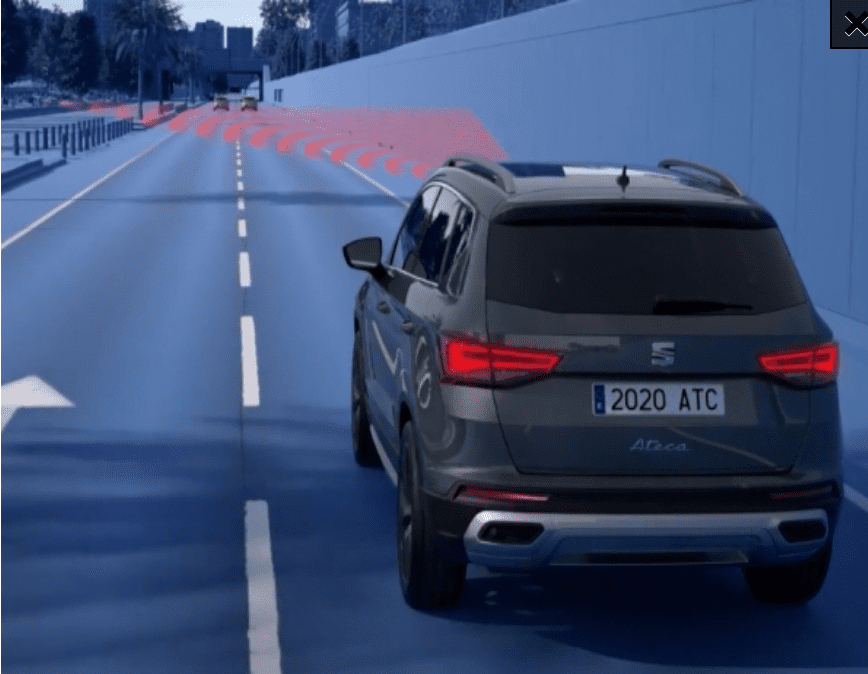
The innovation developed by SEAT helps drivers stick to the speed limit – especially useful in areas with changeable limits.
Using a front-mounted camera which detects speed limit signs, the latest SEAT models can automatically adjust their speed according to the limit in that area. It will also scan school zones and other road signs.
Statistics compiled by the Department for Transport (DfT) show over 50%** of cars exceeded the speed limit on 30mph roads; while 47% of cars broke the limit on motorways in 2020.
With SEAT’s own research revealing the high number of motorists caught every year, around 40% of drivers said they would want a similar technology to SEAT’s Dynamic Road Sign Display technology on their car if it was available.
As motorists return to the roads as lockdown eases, the lack of recent experience behind the wheel could be making drivers less confident, making the technology even more important in helping reduce speeds according to local limits, as well as minimizing potential fines.
Richard Harrison, Managing Director of SEAT UK, commented: “It’s certainly eye opening to see that significant numbers of motorists aren’t necessarily always aware of their own speeds, but thankfully there is in-car technology – like our Dynamic Road Sign Display – already on the market to make drivers safer on the road.”
The SEAT Leon has a strong track record since its introduction in 1998, selling 2.3 million vehicles worldwide, with each generation proving more popular than the last. The latest model has introduced efficient plug-in hybrid variants that continue to earn plaudits for their driving dynamics, practicality and economy.
18 liquefied natural gas (LNG) lorries transporting parts to MINI Plant Oxford from across the UK
More than 20 per cent reduction in CO² and NOX emissions achieved
Up to 90 per cent C0² reduction forecast with the use of bio-LNG
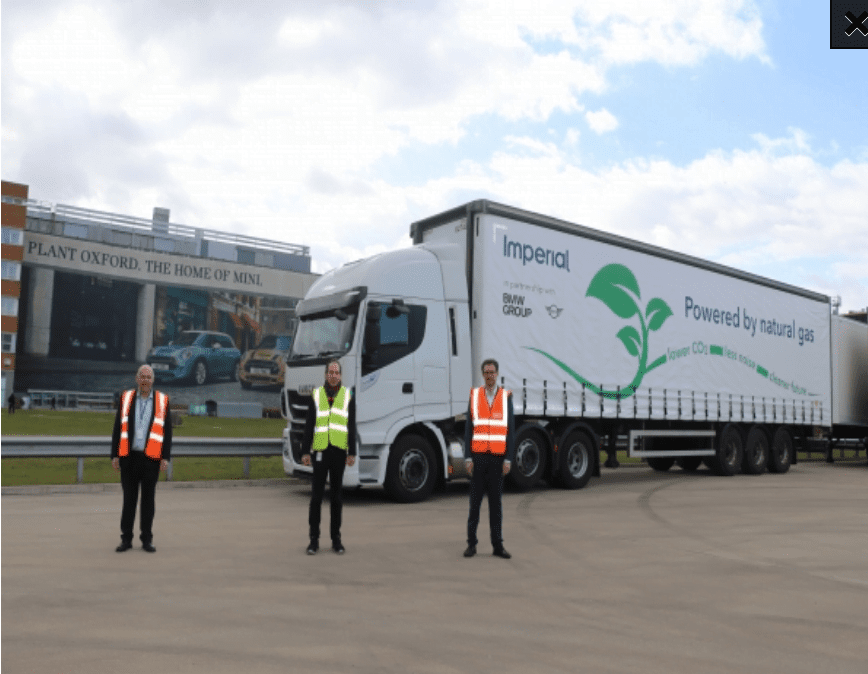
A new fleet of lorries powered by liquefied natural gas (LNG) is helping to drive sustainable logistics at MINI Plant Oxford.
18 LNG lorries from Imperial have now hit the road, transporting parts and components from suppliers on 15 different routes across the UK to the home of the MINI brand.
LNG lorries have lower fuel consumption, produce fewer harmful emissions and are quieter on the roads. The new fleet has already delivered a reduction of approximately 20 per cent in CO² and NOX emissions, compared to diesel alternatives. In future, a total CO² reduction of up to 90 per cent is expected by using bio-LNG.
Thomas Frank, Director of Logistics, MINI Plant Oxford said: “We are really excited to be working with Imperial on this project as part of our wider efforts to improve sustainability throughout all areas of the BMW Group. With environmental benefits, lower emissions and quieter engines, these LNG-powered lorries will deliver components from across the UK to the heart and home of MINI in Oxford. The fleet will travel from more than a dozen key suppliers, including BMW Plant Hams Hall, and it means that around 20 per cent of all lorries now coming to MINI Plant Oxford will be powered by LNG fuel. This is a great example of how two companies can work together to achieve their sustainability goals.”
Imperial has successfully trialled LNG lorries in both the UK and Germany over the past 12 months. The company has installed its own LNG facility close to MINI Plant Oxford, which means vehicles on routes with limited refuelling opportunities can leave Oxford with a full tank before continuing their onward journey.
Mark Miles, Managing Director, Imperial UK, said: “At Imperial we don’t just focus on our profitability; our people and the environment are a very important consideration. We consider it our duty as part of the worldwide population to invest in Environmental, Social and Governance (ESG) and integrate respective practices whenever possible in the daily course of business; and so the opportunity to reduce our UK haulage operation’s environmental impact was compelling. We’re delighted to be working with the BMW Group and MINI Plant Oxford as part of a joint effort to improve sustainability in logistics, reconciling business efficiency with environmental protection.”
MINI Plant Oxford has already adapted to a 360-degree sustainability strategy involving heat regeneration, environmentally friendly production, the harvesting of rainwater and one of Britain’s largest solar energy facilities. The next step is to increase sustainability in all areas of its supply chain and logistics operations.
Transport logistics has a key role to play in achieving the BMW Group’s supply chain sustainability target, by reducing CO² emissions per vehicle by 20 per cent by 2030 (base year: 2019). CO²-minimizing ‘Green Logistics’ concepts are also being developed.
The BMW Group is working with service providers to use natural gas-powered and electric lorries worldwide in order to reduce emissions in logistics. Several battery-electric lorries are already in use at the BMW Group Plants Munich and Landshut for transport trips within the plant gates and over short distances. The extended use of such lorries is undergoing continuous testing, while the possibility of using hydrogen-power is also under consideration.
With lockdown restrictions gradually easing from today and 12 April and many cars having sat idle for months, Fixter, the UK’s first end-to-end online car maintenance service provider, offers 10 top post-lockdown car care tips
Advice from Fixter, which has a UK network of over 400 independent garages, includes checking car’s fluid levels, battery and brakes, and packing essentials should the car break down on one of its initial journeys
A simple visual health check or diagnostic check at a local garage can avoid expensive future repairs
For the past year, many British cars have seen very little use as lockdown restrictions have drastically reduced commuting and leisure travel.
Now, with restrictions beginning to ease from today, it is predicted that many people will be using their cars as safe, private transport as life slowly returns to normal. Before setting off to see loved ones or engage in some much-needed retail therapy, leading UK online car maintenance provider Fixter has provided 10 top tips for checking your car is in good working order before you travel.
From today, people are allowed to meet outside, consisting of either two households or within the rule of six, in public spaces and private gardens. Small wedding groups are also re-starting, as is outdoor sport. The phased return to normal is set to move on again from 12 April with the re-opening of many areas of the retail and hospitality sectors, as well as self-contained holidays for people living in the same household.
The gradual easing of restrictions is not just good news for Brits, as well as the economy, it is also welcome news for cars. Having sat idle, or done short journeys in many cases, for several months, as Spring arrives many vehicles will no doubt benefit from being used again on a more regular basis.
Commenting on their latest advice, Limvirak Chea, CEO at Fixter said, “Understandably, there is a lot of pent up demand to hit the roads to see friends and family and start enjoying many aspects of life again. We know that not everyone is fully clued up when it comes to car maintenance, so we’re here to help car owners with keeping their cars in good condition at all times. We hope that by sharing our knowledge, we can ensure that British drivers and their occupants get to their destination safely, securely and with minimal fuss when the time is right.”
While a simple visual health check at a local garage will avoid expensive repairs and problems in the long run, in the meantime, Fixter has provided 10 top tips to act as a checklist before heading out on the roads:
Check your oil level
Your car’s oil and coolant play a vital role in keeping your engine running smoothly. Checking and topping up your engine oil is quick and straightforward. Lift your bonnet and locate the dipstick. Pull the dipstick out and wipe off all the oil with a cloth. You should notice two marks or grooves on the dipstick, which indicate the minimum and maximum oil levels. When it’s clean, reinsert the dipstick back into its tube, then remove it again. If the oil level is halfway between the minimum and maximum markers you don’t need to add any oil. If it’s below halfway, you should add some engine oil. If it’s below the minimum level mark, you will definitely need to top-up your oil.
Check our coolant level
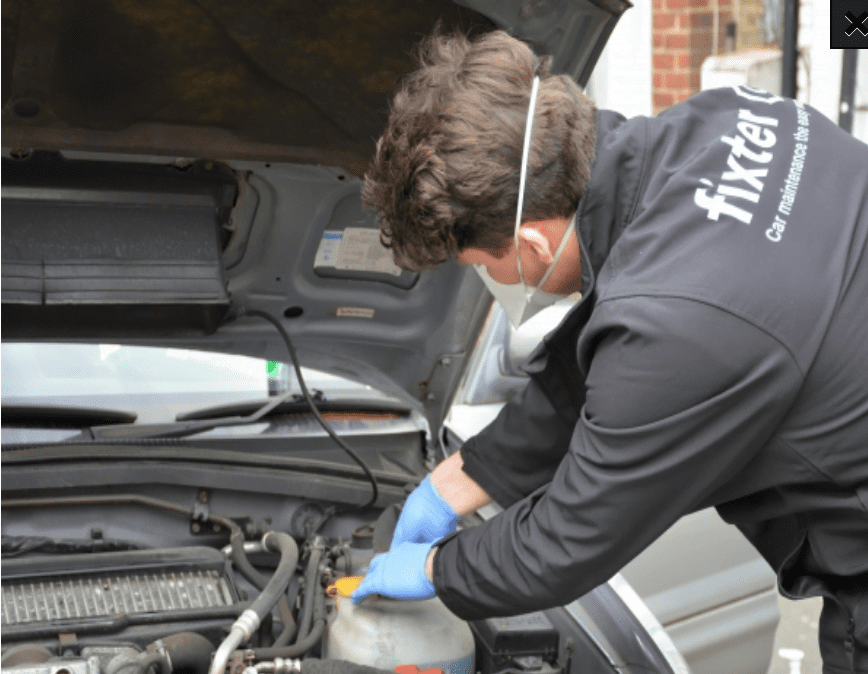
With restrictions due to be lifted in time for summer, it’s important that you check your engine coolant levels. Coolant prevents your engine from overheating in hot weather and freezing in colder weather. It’s stored in a clear plastic container usually located near the radiator. There will be a mark or sticker on the container to indicate the correct fluid level. Top-up the fluid to ensure it remains at the correct level.
Top up your windscreen washer fluid
This is a simple DIY check. The reserve is usually close to the top of the engine and is often marked with a windscreen wiper icon. If you can see that the fluid level is low, top it up, based on the manufacturer’s recommended dilution where applicable.
4. Check your battery health
If over lockdown you’ve only been doing very short trips in your car, or haven’t driven at all for several weeks, your battery may have gone flat as it won’t have been able to recharge over longer trips. As soon as it is safe to do so, we recommend going for a longer drive, at least 30 minutes, to make sure the battery has a chance to recharge. If you’re having trouble starting your car for the first time in a while, you may need to jump start the vehicle to get it going so that you can drive and recharge the battery. If possible, trickle charge the car’s battery overnight.
It’s also a good idea to visually inspect the battery terminals, making sure they’re secure and corrosion-free. If your car has been sat idle, particularly in damp conditions, the terminals may have rusted which could affect the power supply to and from your car’s battery.
5. Check your tyres
Due to less use, your tyres could have deflated or even developed cracks. Before you set off, check your tyres (including the spare) for any splits, holes or tears. Look for any glass or nails that could cause a puncture or tear in the future.
Next, check the depth of tread on each tyre. In the UK and Europe, the legal minimum tread depth for cars is 1.6mm. The tread must meet this minimum across its entire circumference. The easiest way to verify whether your tyres have a deep enough tread is to use a 20p coin. Place the coin in the main tread grooves of your tyre. If you can see the outer band of the coin face at any point this is an indication that the tyre is likely to be below the legal limit so you should arrange a professional inspection by a mechanic.
Check your tyre pressures
Ensure that your tyres are inflated to the recommended pressures by checking the guidelines in your car’s handbook or on the panel inside the driver’s door. You can check tyre pressure using a handheld tyre pressure gauge, or if you don’t have one of those handy you can check and top up your pressure at most petrol stations.
7. Check your brakes
It’s important to always keep your brakes in tip-top condition, as they are arguably the most important safety feature in your car. When a car has been left standing for long periods, as it may have been during lockdown, issues can arise with your brakes.
Sticking brakes are a common problem if a car has not been used for a while. Most cars use disc brakes, which include brake pads, rotors, and calipers. Over time, particularly if your car has seen little usage recently, parts of your brakes can become rusty. As the surfaces will be covered in a light coating of corrosion, you’ll notice a sticky sensation in your brakes and a grinding or squealing noise.
This soon clears away as you drive, but remember that your brakes won’t be fully effective until the surface corrosion has worn away, so drive cautiously until your brakes return to normal. If the noises and sticking sensation continues your brake pads or discs may need replacing, so should be inspected by a mechanic.
Check your fuel level
Cars parked for an extended period of time can suffer from moisture gathering in an empty fuel tank. This can cause rust to build up inside it. To get round this, simply fill up the tank completely, or even add a stabiliser fluid to keep it fresh.
Check your car’s exterior
While sitting on a driveway or on the road, it is likely that leaves or debris might have gotten stuck on the outside of your car. Before setting off, it is worth checking air intakes on the front bumper, as well as the lower part of the windscreen to remove anything getting in the way.
10. Try the car’s doors and handles
While many cars won’t have been used much at all, others might have just had one user in the form of a keyworker. Either way, you should check all of your car’s doors, including the boot, and lubricate locks and moving parts where necessary.
Lastly, in case your car lets you down on one of your initial journeys, it is a good idea to pack a fully charged mobile phone, phone charger, jacket, blanket, snacks, breakdown cover details, torch, and ideally a high-vis vest and warning triangle.
Fixter’s tech-led approach makes car maintenance as easy as ordering a takeaway, allowing car owners to book MOTs, servicing and repairs within minutes, as well as get an instant quote, using a laptop or smartphone. They also offer a contact-free service, with convenient thirty-minute time slots for delivery and collection and live text updates.
Taking the hassle out of car ownership, the award-winning firm employs in-house technicians who liaise directly with its high-quality garage network for service and repair quotes and approvals, so that there are no nasty surprises. At the same time, in these uncertain economic times, Fixter offers the potential to save up to 30% compared to typical franchised dealer costs. Their approach is clearly working, given the company’s very positive 4.6 out of five stars on Google Reviews and 4.4 out of five stars on Trustpilot. Customers can get an instant quote by visiting www.fixter.co.uk or calling 0330 808 9527.
NOTES TO EDITOR
About Fixter Fixter is revolutionising the car maintenance industry, one repair at a time. Digital, transparent and stress-free, with world-class customer service, the company was founded to make car maintenance as easy as booking a taxi. Since launching in Manchester in 2017, Fixter has expanded to more than 100 towns and cities across the UK and provided thousands of car owners with honest, convenient and affordable car services.
£1.7million worth of cars sold on Friday 26th March
Auction world record achieved for 1990 Audi Quattro 20V
100% of The Warwickshire Collection Part 3 sold
Classic Car Auctions hosted their first sale of the year on Friday 26th March and with superb results! A phenomenal 90% of the cars offered were sold, with 100% of the Warwickshire Collection Part 3 also selling.
Over 130 classics from across the decades crossed the block, including a rare 1990 Audi Quattro 20V in Lago Blue and just over 48,300 miles covered. The recommissioned example achieved a new auction world record price of £85,470 following a significant amount of interest and bidding.
The sale mirrored the same live online format that was practised to perfection last year, with bidding taking place from home; whether that was online, by phone or via commission. Due to the current restrictions, pre-sale viewing took place virtually with the CCA team, they were also able to accommodate experts carrying out professional inspections.
Another sublime example was the 2000 Rover Mini Cooper Sport with just 117 miles covered since new! The remarkable little car achieved £33,000 on the day. Lot 108, the 1971 Daimler 4.2 Sovereign sold to a telephone bidder and after the hammer went down, informed CCA that his father had sold the car when it was brand new all those years before! This fabulous example with a lovely reunion story sold for £11,988.
Gary Dunne, CCA’s Sales Manager commented: “These kind of results are testament to the cars offered, our customers and of course the team. Last year the Silverstone Auctions Group (which includes Classic Car Auctions) were recognised as the UK market leaders in the classic car auction industry and this latest sales rate demonstrates why and how we achieved this accolade.”
Gary continued, “We would like to thank our vendors and buyers, old and new, for their continued support – especially with the current restrictions in place. We will be announcing details of our next auction in the coming days so do keep an eye out for the information to ensure you don’t miss out!”
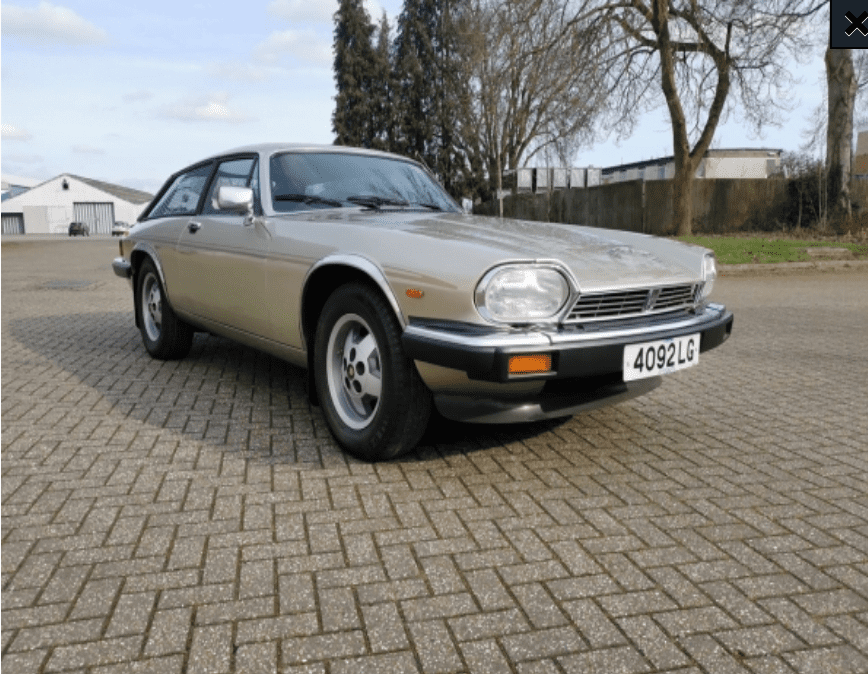
The second half of the auction was dedicated to The Warwickshire Collection Part 3, a series of 40 Jaguars and Daimlers, with many of them offered without reserve. 100% of the collection sold, with many of the cars exceeding any presale estimates and others seeing 20+ registered telephone bidders per lot! One of those was lot 204, the 1996 Jaguar XJS 4.0 Auto which sold for £27,195, whilst the 1983 Jaguar XJ-S HE 5.3 Lynx Eventer sold for an amazing £47,730.
CCA will formerly announcing their next auction later this week which will be a two-day sale. Everyman classics are now invited and those interested can contact the team on 01926 640888 to speak to an expert about the value of their car.
Friday 25th – Sunday 27th June – The London Classic Car Show Auction Saturday 25th September – The Autumn Sale Saturday 11th December – The December Sale
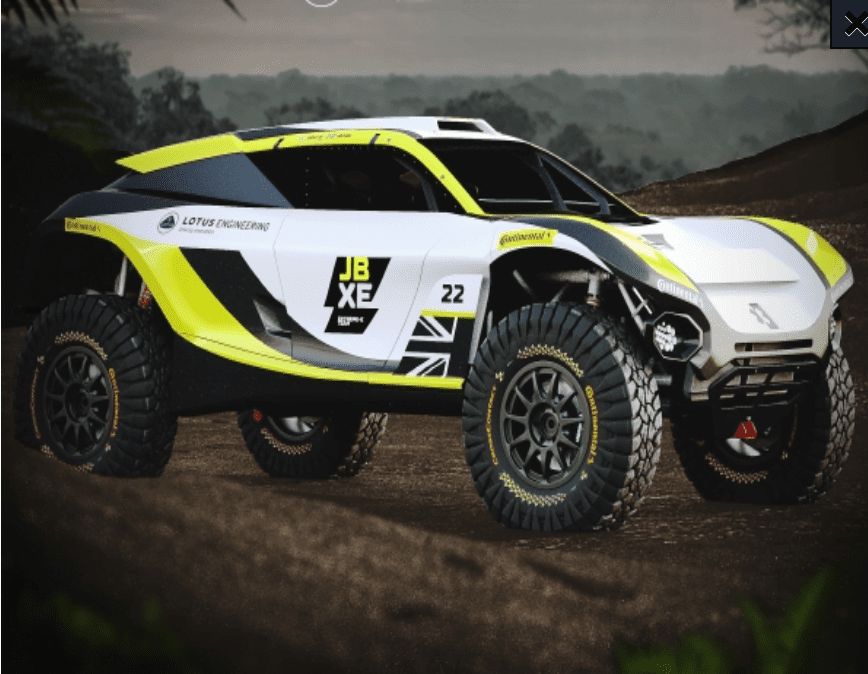
JBXE Racing is delighted to announce Lotus Engineering as the latest addition to its family of partners.
The world-renowned British engineering consultancy, part of Group Lotus, joins as Technical Partner, supporting Jenson Button’s Extreme E team in this radical new electric off-roading series.
Highly respected for its dedication to cutting-edge technologies and motor racing pedigree, Lotus Engineering is internationally recognised for driving innovation in the automotive industry and beyond. JBXE Racing looks forward to working together with Lotus Engineering to promote electrification and highlight the importance of sustainable solutions to help protect and preserve the planet.
JBXE Racing team founder and 2009 FIA Formula 1 Drivers’ World Champion, Jenson Button, and multiple Scandinavian Touring Car race-winner, Mikaela Åhlin-Kottulinsky, are preparing to compete in the opening race of the 2021 Extreme E Championship later this week – the Desert X Prix takes place from 03 – 04 April in AlUla, Saudi Arabia.
Jenson Button said: “Lotus is a great British brand that is inextricably linked to motorsport, so we are delighted to welcome Lotus Engineering to JBXE. Extreme E is a unique and exciting formula, full of “world firsts” and challenges, and to announce that a brand such as Lotus Engineering is coming on this journey with us is a proud moment for myself and the team. We are very excited about our new technical partnership and can’t wait to show what we can do in the first race this weekend.”
Matt Windle, Managing Director, Lotus Cars, commented: “We are on the cusp of an exciting new era of electrified motorsport, and we’re delighted to support the JBXE team as Technical Partner. The complex technicalities of EV racing present a fascinating challenge, and using our learnings from more than a decade of electrifying sports cars – most recently with the Lotus Evija hypercar – we can bring valuable knowledge to the team.”
He added: “As the consultancy arm of our business, Lotus Engineering is growing from strength to strength with multiple major projects underway and a new home at the Lotus Advanced Technical Centre in Warwickshire. Supporting the JBXE team is another valuable demonstration of Lotus Engineering’s wide portfolio of interests – in this case, electrified motorsport. We look forward to sharing the journey together and experiencing the next phase of electric racing with an equally admirable sustainability agenda.”
Alejandro Agag, Founder and CEO of Extreme E said: “It’s fantastic that Lotus Engineering is entering Extreme E alongside Jenson Button’s JBXE team. The long-term success of our series relies on bringing in top automotive manufacturers to utilise our extreme racing platform as a testbed for accelerating electric mobility innovation for the wider industry. Lotus Engineering brings a wealth of experience in electrification and will no doubt prove a huge asset to the JBXE team. Welcome to the Extreme E family Lotus!”
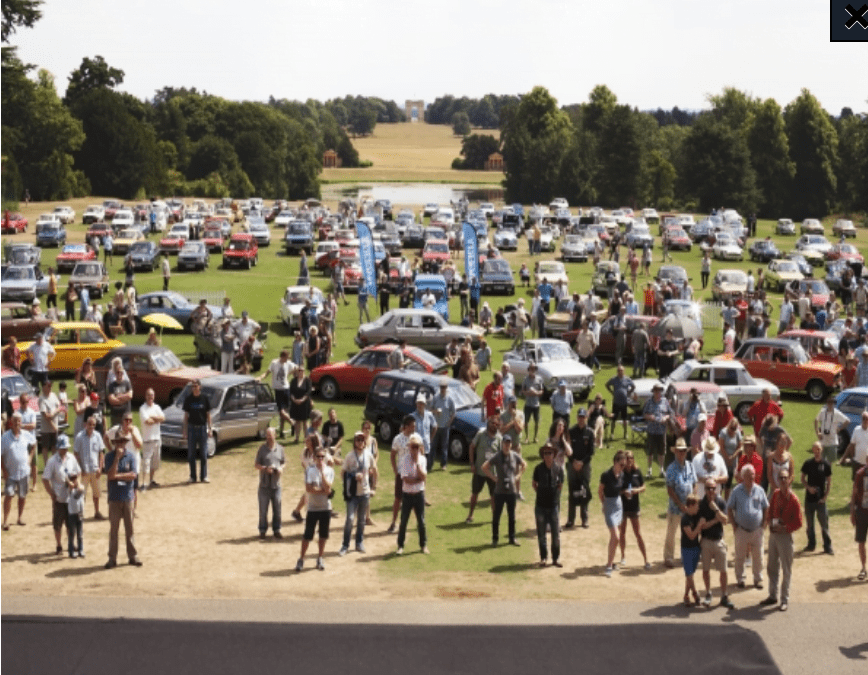
Festival of the Unexceptional celebrates cars that were once a common sight but are now a rarity on UK roads
2021 marks the 7thConcours de l’Ordinaire organised by Hagerty
Exceptional new venue for unexceptional cars as Festival of the Unexceptional moves to Grimsthorpe Castle in Lincolnshire
Details of ticket sales and concours entries for vehicles announced soon
2021 Festival will see many new elements and attractions
1000’s of unexceptional cars will be on display
2019 Festival of the Unexceptional winner was a 1977 Morris Marina Deluxe Estate
Dust off your Datsuns, polish your Peugeots, and rev up those Reliants! Hagerty is delighted to announce that the world-famous Festival of the Unexceptional will return in 2021.
The Concours de l’Ordinaire – quite literally, a show dedicated to sharing some of the greatest everyday classic cars on our roads –is confirmed for Saturday, 31 July.
Originally staged by Hagerty in 2014, the Festival of the Unexceptional has earned its place in the automotive calendar as an attainable concours event offering a mix of rare cars and a prestigious location in an informal and friendly approach. The unique event celebrates cherished everyday classic cars and acknowledges this growing movement among owners and enthusiasts alike.
Showcasing much maligned and long forgotten ‘ordinary’ classic cars and commercial vehicles of the late 1960s, 70s, 80s and 90s, Festival of the Unexceptional remains the only concours that applauds an Applause, believes in basic, makes a case for a Cavalier and fawns over an FSO. In keeping with the spirit of the event, guests are welcome to arrive in the latest supercar but are forewarned that an Ambassador will gain more privileges than an Aventador when it comes to being offered forward parking.
Regarded as one of the automotive highlights of the year, a larger show space was needed to allow for more concours cars and more visitors, as every previous event has been a sell-out success.
The chosen location for 2021 is Grimsthorpe Castle in Lincolnshire, a 1516 architectural masterpiece, showcasing a mix of Tudor and Baroque splendour, originally given as a wedding gift by Henry VIII to William, 11th Lord Willoughby de Eresby. In addition to providing space for a greater number of unexceptional cars, Grimsthorpe also offers expansive grounds to enjoy with lakeside walks, formal gardens, and a children’s play area, ensuring the 2021 Festival of the Unexceptional will be a great day out for all the family.
2021 will also welcome improved show facilities with a wide range of food and beverage outlets, more display cars, comfortable seating areas, increased interaction, and entertainment as well as entertaining judging and award ceremonies.
Once again, Hagerty’s annual Concours de l’Ordinaire will be free to attend and open to classic cars and light commercial vehicles built between 1966 and 1996. The 2019 panel of automotive expert judges deemed a gloriously original 1977 Morris Marina Deluxe Estate as overall winner, with a 1978 Vauxhall Chevette Deluxe E saloon as notable runner up.
Hagerty had to postpone the 2020 Festival of the Unexceptional due to restrictions in place for Coronavirus.
Ticket information and details on entering a car for the concours will be announced soon.
About the Festival of the Unexceptional Hagerty’s Festival of the Unexceptional is a classic car show concept utterly unique in the UK that for the past seven years has successfully showcased the best examples of some of the most mundane cars ever built.
About Hagerty Hagerty is an automotive lifestyle brand. Our mission is keep driving alive for car lovers and drive positive change in the world. Hagerty is home to Hagerty Drivers Club, Hagerty DriveShare,Hagerty Valuation Tools, Hagerty Drivers Club magazine, Hagerty Media, MotorsportReg, Hagerty Garage + Social and more. Hagerty is the world’s largest provider of specialty insurance for enthusiast vehicles and supports keeping car culture alive through youth programs, the Historic Vehicle Association (HVA), the RPM Foundation and more.
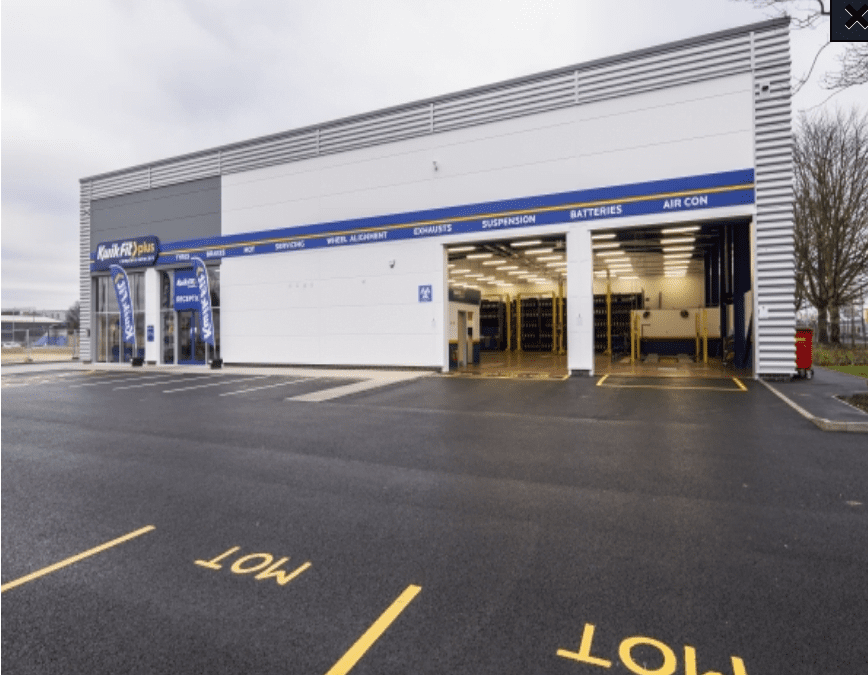
Data released today by Kwik Fit, the country’s largest MOT tester, reveals that the number of drivers missing their MOT expiry date by more than three weeks tripled in the last six months, compared to the equivalent period the previous year.
One in eleven drivers (9%) booking their MOT test in the last half year only did so three or more weeks after their current MOT had run out. This compares with a figure of just 3% in the whole of 2019.
These drivers are in danger of incurring the wrath of their fellow motorists. Research for Kwik Fit has found that 26% of car owners think the authorities should have the powers to impound a car if it is being driven without a valid MOT. This figure rises to more than a third (35%) of people in Yorkshire and the Humber. 14% of UK motorists think that those stopped in a car with an expired MOT should face a driving ban of at least six months, while 12% think that the courts should be able to impose fines of up to £2000.
The government introduced six month MOT extensions in the early stages of the first lockdown and this shifted the pattern of when many cars’ MOTs become due. However, not only has this changed the time of year when drivers need to get their car MOTed, there has also been a significant change in when drivers book their MOTs in relation to their expiry date.
As well as the number of drivers taking much longer to get their MOT carried out, and driving illegally as a result, there has been a similar increase in the number of drivers planning ahead. Kwik Fit has seen the number of drivers booking their test five or more weeks in advance of their expiry date also triple.
Roger Griggs, communications director at Kwik Fit, says: “It may be a result of the MOT extension or people having greater flexibility of when to book their MOT but the booking pattern has become much more spread out. We are seeing many more drivers plan in advance, and get their MOT sorted well ahead of its expiry, which is great news.
“Unfortunately, we are also seeing a big increase in owners not getting their car tested until three or more weeks after it has become illegal to drive. This is especially dangerous at the moment as people will not have been driving their cars as much over the last year. As a result, any safety issues may not be as apparent to them as they would be with more frequent use of their car.”
Kwik Fit reminds those delaying their MOT that they can have their car tested up to one month (minus a day) before their expiry date to maintain the same anniversary and are therefore not losing any time from their previous valid MOT. Drivers should book as far in advance as possible, rather than hoping to get an appointment at the last minute. Kwik Fit is the UK’s biggest MOT tester and has expanded its online booking service to provide even more options to drivers.
THE TWO YORKSHIRE COMPANIES ENHANCE ALREADY SUCCESSFUL RELATIONSHIP
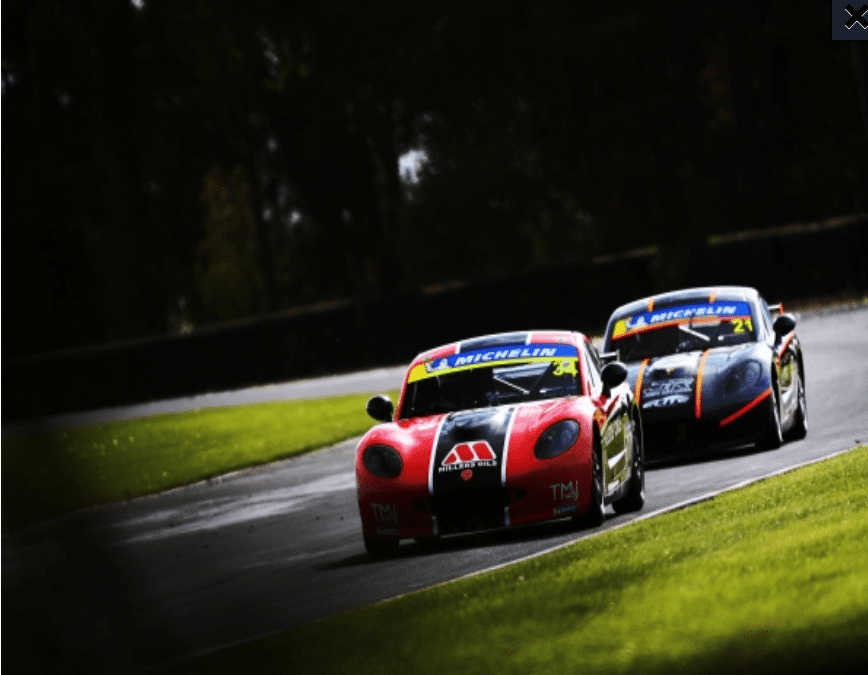
British motorsport brand Ginetta has agreed to a heightened technical partnership with Millers Oils, the Yorkshire-based independent blender of premium oils and lubricants.
The success of the partnership, which has been in place for a number of years, allows for both British companies to deepen their existing working relationship over the next three years. One of the key elements within the collaboration is the use of technical products, including a bespoke, high-performance engine oil, Ginetta Tech by Millers Oils, exclusively across Ginetta’s entire range of racing cars across the globe.
The extended partnership will see Millers Oils continue as title sponsor of Ginetta’s flagship championship, the GT4 SuperCup. The eight-weekend series races on the same circuits as the British Touring Car Championship and is seen as an instrumental path for drivers looking to progress into international, multi-marque GT racing.
Millers Oils branding will now also encompass the whole of the Ginetta Group, including the Want2Race track day brand, the Blyton Park circuit and SIMTrack, Ginetta’s state-of-the-art simulator.
Ben Hyland, Ginetta Group Marketing Director, said: “I’m delighted that Ginetta is strengthening its partnership with another Yorkshire giant in Millers Oils. We have enjoyed a successful relationship together and it is testament to this that we have made a three-year commitment covering the whole of the Ginetta Group for the first time.”
Ginetta has a proud record of helping young, aspiring racers forge a career in motorsport, with star alumni including McLaren Formula One driver Lando Norris, 2019 W Series champion Jamie Chadwick and British Touring Car Championship racer Tom Ingram. Millers Oils will help Ginetta nurture the next generation of drivers by sponsoring a Ginetta Junior Scholarship car, driven by Maurice Henry and Robert de Haan, in the Michelin Ginetta Junior Championship.
Ginetta will also welcome guests of Millers Oils to British Touring Car Championship events, where they can enjoy the action from Ginetta’s newly improved hospitality units. In addition, Want2Race, part of the Ginetta Group, will facilitate its popular corporate on-track events, where guests can get behind the wheel of a purpose-built Ginetta racing car at the brand’s own fast and flowing Blyton Park circuit.
Tony Lowe, Managing Director, Millers Oils, said: “Extending our technical partnership with Ginetta until 2024 has been a great achievement for Millers Oils and emphasises our desire to continue our fantastic growth in the motorsport world. Ginetta provides the best series of motorsport racing in the UK on the undercard of the British Touring Car Championship and having the Millers Oils name associated with this is something I am very proud of. With over 190 combined years of motorsport experience, Millers Oils & Ginetta have a clear ambition to continue growing together and everyone at Millers Oils is looking forward to the next three years of the partnership.”
Ginetta was established over 60 years ago as a British racing car company. Since current owner Lawrence Tomlinson took over the company in 2005, it has been transformed into a global motorsport brand, right from the heart of Yorkshire. It offers a range of cars for drivers of all abilities and experience levels and a championship racing ladder that can take someone seeking to make a career in motorsport, or an enthusiast seeking to race, all the way from their first steps in the sport to a Le Mans Prototype.
Millers Oils produces highly innovative products which offer outstanding friction reduction properties in competition racing oils for engines and gearboxes, as well as high performance hydraulic and brake fluids.