Honda has unveiled the latest generation of its popular HR-V compact SUV, available with a powerful and responsive two-motor e:HEV powertrain as standard for the first time.
The all-new HR-V delivers exceptional hybrid efficiency and advanced safety and technology features, all incorporated into a bold and sleek coupe-inspired form designed to enhance the class-leading interior space and comfort the nameplate is known for.
Available in Europe from late 2021, the new HR-V is the latest model in Honda’s line-up to wear the e:HEV (hybrid electric vehicle) badge, following the refreshed CR-V and all new Jazz that launched in 2020. It expands Honda’s electrified line up as the brand moves further towards its goal of electrifying all of its European mainstream models by 2022.
Premium SUV styling The next-generation HR-V e:HEV achieves a distinctive SUV presence in a compact coupe-inspired design. The new model embodies the brand’s seamless, clean, modern design philosophy seen in other recent new Honda models, that follows the key concepts of function and beauty.
The design includes a new bold integrated grille, while the body shape incorporates a long bonnet and sharper, more vertical sides to ensure there is no impact on interior space. The bonnet centre is low and flat, with a shoulder line that flows to the base of the A-pillars, projecting a sense of stability and security that further enhances the SUV aesthetic.
Exceptional space, comfort and utility The all-new HR-V achieves a compelling combination of premium SUV styling and exceptional spaciousness thanks to the clever packaging of its hybrid drivetrain components. As a result, the HR-V retains its predecessor’s class-leading interior space, with four adults able to sit in maximum comfort.
As with the exterior, the spacious interior has a solid, premium SUV feel, but with contemporary fabrics and soft-touch materials. The modern minimalist aesthetic, which is initiated by the horizontal sweep of the instrument panel, is the result of an uncluttered interior and dashboard, with each element carefully positioned to contribute to the sense of space. The feeling of airiness and space is elevated by a new air diffusion system that creates a curtain of fresh air beside and above passengers, flowing from unique L-shaped vents positioned in the top corners of the dashboard.
Thanks to Honda’s compact, integrated powertrain technology and centre tank layout, the all-new HR-V also retains the versatile Magic Seats that offer both ‘fold-flat’ or ‘flip-up’ seat flexibility, depending on cargo space required.
ŠKODA incorporates the striking design of the VISION IN concept study into the series production version of the midsize SUV
The ŠKODA Kushaq marks the start of the INDIA 2.0 product campaign
The official launch of the new Kushaq is set for 18 March 2021
ŠKODA has released two design sketches to give a detailed preview of the new Kushaq.
The design of the midsize SUV for the Indian market draws inspiration from the bold look of the ŠKODA VISION IN concept car. ŠKODA AUTO has adapted the MQB-A0-IN version of the Volkswagen Group’s Modular Transverse Toolkit specifically for India. As part of the INDIA 2.0 product campaign, it is the first of four models from the ŠKODA and Volkswagen brands to be manufactured locally in India. The world premiere of the ŠKODA Kushaq will take place on 18 March 2021.
The first design sketch shows the powerful front of the new ŠKODA Kushaq, whose name is derived from the ancient Indian language of Sanskrit. The word ‘Kushak’ means king or emperor. The sharply cut, two-part front headlights, which extend to the wide ŠKODA grille, create a prominent appearance. The impressive front bumper with underride protection emphasises the athletic look of the SUV.
The second sketch shows the rear of the new ŠKODA Kushaq, which has a clear structure and is framed by an elongated roof spoiler and a rugged rear diffuser in the bumper. The taillights of the midsize SUV feature the brand’s trademark crystalline structures, and the ŠKODA lettering appears in block capitals on the tailgate.
In terms of technology, the ŠKODA Kushaq and the other upcoming volume models are based on the locally developed and produced MQB-A0-IN platform. This already complies with the new, stricter safety and emission requirements in India. With a planned 95 per cent localisation level for the new vehicles, the technical development is being carried out at ŠKODA AUTO’s Technology Centre in Pune.
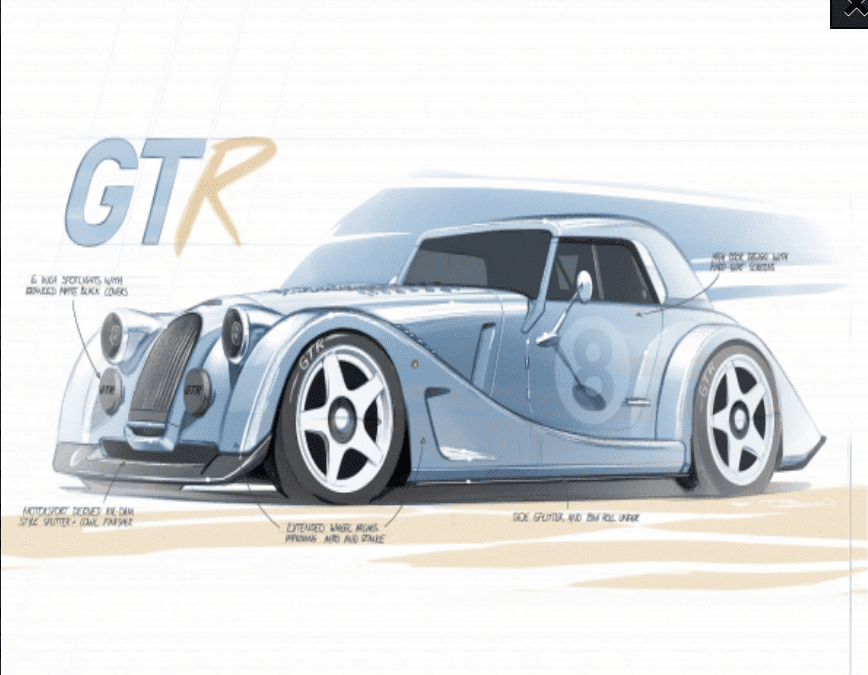
The Morgan Plus 8 GTR gives Morgan designers and engineers the opportunity to reignite one of the marque’s heroic legacy models with a ‘gloves off’ special edition
Marking the first of several Morgan special projects to commence in 2021, just nine examples will be built
The model is based on the Morgan Plus 8 and takes cues from Morgan’s racing history
It has been made possible by the recent availability of rolling chassis from a discontinued external project; all cars will be based on unused, recommissioned chassis and powertrains
Production starts summer 2021; full reveal and vehicle deliveries to follow thereafter
All cars to be built at the Morgan Design and Engineering Centre (M-DEC)
Raw, visceral, loud, and low, the Morgan Plus 8 GTR represents what the Morgan Motor Company can create when its design and engineering teams let their imaginations run wild.
Limited to just nine examples, it marks the first in a line of Morgan special projects set to commence this year.
The Plus 8 GTR explores design themes such as the high shoulder line, not seen on a traditional Morgan body for decades. Its five-spoke centre-lock wheels are reminiscent of Morgan’s 1990s Plus 8 race cars, framed perfectly by subtly re-sculpted wheel arches. Further design elements include a revised rear end, front wings, and front splitter, and the fitment of a hard top. The model also benefits from learning and expertise gained by the company since the Plus 8 officially finished production in 2018.
One particular design inspiration was the Plus 8 race car that competed in the GT series throughout the late nineties, more commonly known as ‘Big Blue’. This car served as the testbed for Morgan’s first bonded-aluminium chassis, which would go on to underpin the Aero 8 and ‘Aero-chassis’ Plus 8 models. It seemed fitting, following the recent launch of Morgan’s latest CX-Generation bonded-aluminium platform, to use this opportunity to pay tribute to the car that pioneered Morgan’s use of aluminium structures.
The project has only been possible because of the recent availability of a number of Plus 8 rolling chassis, which have been re-acquired from a third party following a discontinued project. These were all built by Morgan before 2018, and were never used for their intended purposes. All are to be recommissioned and will benefit from the upgrade of selected mechanical components.
As part of their transformation from rolling chassis to finished vehicle, each GTR will be handcrafted using Morgan’s traditional coachbuilding techniques. In a break from over a century of Morgan tradition, much of this work will be completed not at its famous Pickersleigh Road factory, but at the nearby Morgan Design and Engineering Centre (M-DEC). The Plus 8 GTR runs alongside core programmes and is one of several Morgan special projects to be announced this year. It follows numerous special project Morgan models in recent years, such as the Aero GT, SP1 and Aeromax.
These ‘Aero-chassis’ Plus 8s use the Morgan first-generation bonded-aluminium chassis developed initially for the Morgan Aero 8. Previously, from 1968 to 2004, Plus 8 models used Morgan’s traditional steel chassis and were powered by Rover V8 engines.
All ‘Aero-chassis’ Morgan Plus 8s were powered by the BMW N62 4.8-litre engine, and the GTR will be no exception. In its original specification this unit produced 362 bhp, however, the exact power output for the GTR is yet to be finalised. A choice of a six-speed manual or ZF six-speed automatic gearbox will be available, with fixed allocations for each transmission option.
Just nine Morgan Plus 8 GTRs will be built, with production beginning in summer 2021. The transformed special project will be available in certain worldwide markets, subject to local rules on the importation of European vehicles. As part of the special projects programme, customers will be invited to commission their bespoke Plus 8 GTR alongside Morgan’s design team.
Jonathan Wells, Morgan Head of Design, said: “Reviving a V8-powered Morgan at the current time may not seem like the obvious choice for a manufacturer firmly focused on new platforms and powertrains. However, when the opportunity presented itself to recommission a number of rolling chassis and create an exciting special project such as Plus 8 GTR, we embraced it fully. This project has allowed Morgan’s design and engineering teams to revisit some of their favourite elements of past Morgan models, as well as experiment with some features that we hope will appear on future Morgan cars.”
Three-year research project aims to deliver breakthrough in rare earth magnet recycling
New recycling process will provide a sustainable source of rare earth magnets for non-traction motor applications
Funded by Office for Zero Emission Vehicles (OZEV) and delivered in partnership with Innovate UK
The six-partner, UK based, collaborative R&D consortium is aiming for first application by 2026
Supports Bentley’s desire to lead sustainable luxury mobility
Bentley Motors today announces a three-year research study that aims to revolutionise the sustainability of electric motors.
Supporting Bentley’s commitment to offer only hybrid or electric vehicles by 2026, the result could see recycled rare-earth magnets used in selected ancillary motors for the very first time.
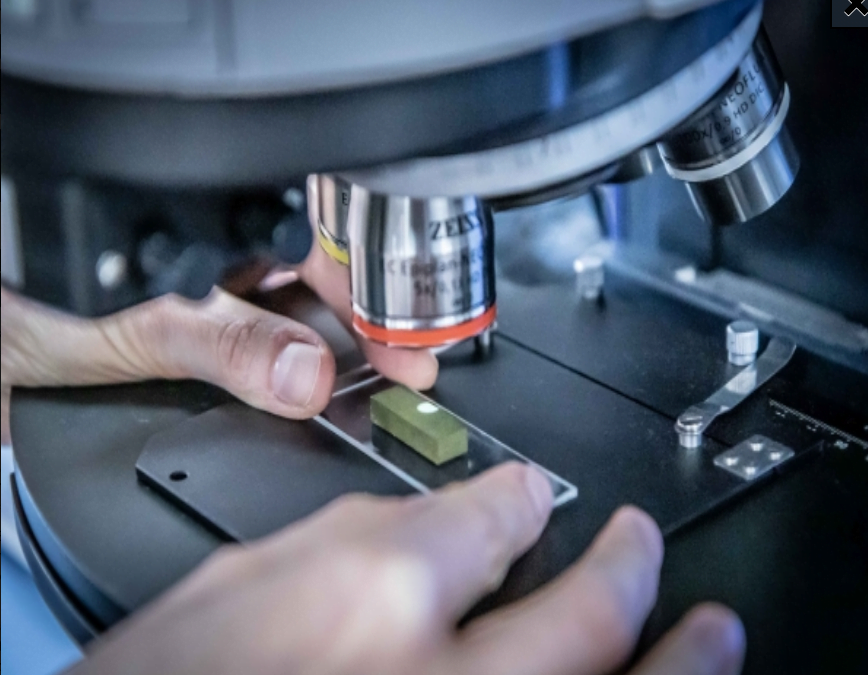
The study, titled RaRE (Rare-earth Recycling for E-machines), intends to build on work completed at the University of Birmingham in devising a method of extracting magnets from waste electronics. Furthermore, the project will scale up this process and repurpose the extracted magnetic material into new recyclable magnets for use within bespoke ancillary motors.
Adding to the sustainability benefits that RaRE will provide, the bespoke motors created through this method promise to minimise complexity through manufacture while supporting the development of the UK supply chain for both mass production and low volume components.
Commenting on Bentley’s research ambitions, Dr. Matthias Rabe, Member of the Board for Engineering, Bentley Motors, said:
“As we accelerate our journey to electrification, offering only hybrid or electric vehicles by 2026, and full electric by 2030, it is important that we focus on every aspect of vehicle sustainability, including sustainable methods of sourcing materials and components.
“RaRE promises a step-change in electrical recyclability, providing a source of truly bespoke, low voltage motors for a number of different applications and we are confident the results will provide a basis for fully sustainable electric drives.”
This study will run in parallel to Bentley’s OCTOPUS research programme which aims to deliver a breakthrough in e-axle electric powertrains, utilising a fully integrated, free from rare-earth magnet e-axle that supports electric vehicle architectures.
As with OCTOPUS, RaRE is an OZEV funded project delivered in partnership with Innovate UK, which brings together the following partners with distinct roles and responsibilities:
Bentley Motors – will lead specification setting and test protocol development and support the design and manufacturing activities.
Hypromag – will scale up the recycling processes developed at the University of Birmingham and convert the extracted powders to sintered magnets with properties designed around those required for the auxiliary motors.
Unipart Powertrain Applications Ltd – will lead the development of manufacturing scale up routes to ensure facilities and processes defined are suitable for volume automotive manufacture.
Advanced Electric Machines Research Ltd – will lead the design and development of the motors.
Intelligent Lifecycle Solutions Ltd – will pre-process computer hard disk drives to remove the rare earth magnet containing components from the waste which will be shipped to Hypromag for removal of the rare earth magnets.
University of Birmingham – UoB will provide cast alloys, which will be fed into Hypromag to blend with secondary materials in order to produce sintered magnets.
Nick Mann, Operations General Manager at Hypromag, added: “RaRE is an exciting project and a fantastic opportunity to prove the importance and potential of short loop recycled magnetic material. HyProMag’s recycling technologies allow us to produce NdFeB magnets with a much lower embedded carbon cost than using virgin supply and with independence from Chinese supply and we are working closely with our major shareholder Mkango Resources to further grow the business. We are proud to be working with established, innovative and renowned companies in the RaRE project with whom we can showcase the technologies of the RaRE project as a whole – recycled magnets being used for cutting edge products in a prestige application.”
Jon Bray, R&D Manager, OZEV: “We are excited to be supporting this innovative project as part of our ambition to put the UK at the forefront of the design, manufacture and use of zero emission vehicles.”
Many vehicles will not have been used much since Christmas and those that have are likely to have only been used for short trips.
Some drivers might put maintenance checks on hold, TyreSafe is advising drivers to check their vehicle’s tyres during Lockdown to potentially save themselves money in the long run and reduce the risk of a tyre-related incident when they do return to the roads.
Most drivers are aware that as they drive, over time their tyres’ tread will wear down however they may ignore other important checks such as condition and air pressure if they aren’t regularly out on the road.
In fact, a tyre is likely to harden and crack more quickly when it is left stationary than when it’s regularly used. If a tyre is left on a vehicle parked for any significant period of time, without the heat and movement from nominal use cracking could occur more quickly. To protect them from the environment, ideally tyres should be covered.
While the effect of hardening usually takes months to have a noticeable impact on tyre condition, those who have had the same set fitted for some years should be aware of the potential for cracking to appear at any time.
The weight of the vehicle resting on one section of the tyre also presents long-term problems. The tyre can become misshapen, which can create weak points internally. When used at higher speeds, these weak points create excessive heat and can lead to a catastrophic failure (or blowout) of the tyre.
Vehicles should be moved regularly to ensure they do not rest on the same point.
To reduce the risk of long-term damage caused by being out of use, a tyre’s air pressure should also be maintained at the vehicle manufacturer’s recommended settings. The correct air pressure (displayed as PSI or Bar) can be found in the owner’s manual, the fuel filler cap or door shut. An accurate pressure gauge should be used to check all tyres are properly inflated, including the spare wheel if your vehicle has one.
When used on the roads, underinflated tyres cause the vehicle to use more fuel than is necessary. Not only that, but they will also wear quicker and be more vulnerable to damage.
Stuart Jackson, TyreSafe chairman, said: “It’s easy to fall into the trap of ignoring maintenance checks when you’re not using your vehicle, but there are good reasons to keep up the routine. Most likely, using a vehicle with underinflated tyres will just add to your fuel bill and increase wear but there are instances when the outcome is far, far more severe. It’s imperative all vehicle owners continue to check their tyres throughout Lockdown – look after your tyres and they will look after you.”
Stuart Jackson, TyreSafe chairman, said: “It’s easy to fall into the trap of ignoring maintenance checks when you’re not using your vehicle, but there are good reasons to keep up the routine.”
TyreSafe is the UK’s charity dedicated to raising awareness of the importance of correct tyre maintenance and the dangers of defective and illegal tyres (registration number 1168354)
Suzuki GB PLC is very pleased to announce some further enhanced finance offers on Swift SZ-L and SZ-T Hybrid models until the end of March 2021.
A £1,000 customer deposit allowance is now offered for 0% PCP and HP customers and applies on both manual and optional CVT transmissions.
Taking the highly specified 1.2-litre Dualjet Hybrid SZ-L as an example and with a PCP (Personal Contract Purchase) agreement chosen, an initial deposit of just £189 is all that is needed followed by 48 monthly payments of £189. Monthly payments can be even lower too if a deposit of £2,111 is made, reducing the instalments down to just £149, again over 48 months with an optional final payment to keep the car.
These latest offers are in addition to the current campaigns running on Swift and will help new car customers take delivery of their new Hybrid Swift during the ‘21’ registration period and when Government restrictions allow.
SZ-L is the volume selling model in the Hybrid Swift range and offers even higher safety specification than before with six airbags, Radar Brake Support (automated emergency braking), Adaptive Cruise Control, LED headlights, air conditioning, DAB radio, privacy glass, rear camera, 16-inch polished alloy wheels, LED daytime running lights and Apple CarPlay/Android Auto smartphone link fitted as standard.
Swift is renowned for its low cost of ownership, low fuel consumption and CO2 emissions and these are further improved with the Hybrid model. Swift 1.2-litre Dualjet with manual transmission achieves 57.2mpg on the Combined consumption cycle and CO2 emissions are just 111g/km (both tested under WLTP regulation)
A prototype of the new Grecale SUV has been photographed outside the historic Maserati plant on Viale Ciro Menotti in Modena.
The employees were the first to diffuse these images on the social networks.
Innovative by nature, Maserati decided to share the photos of the new model exclusively with the Maserati Family.
The prototype cars are currently undergoing a period of intensive road, circuit and off-road tests, in various conditions of use, to acquire vital data for the preparation of the new SUV’s final setup.
The Grecale will be built at Cassino (Italy), where an investment of about 800 million Euros is planned. The Maserati Grecale will receive its World Premiere before the end of 2021.
Maserati S.p.A. Maserati produces a complete range of unique cars with an amazing personality, immediately recognisable anywhere. With their style, technology and innately exclusive character, they delight the most discerning, demanding tastes and have always been a global automotive industry benchmark. A tradition of successful cars, each of them redefining what makes an Italian sports car in terms of design, performance, comfort, elegance and safety, currently available on more than seventy markets internationally. Ambassadors of this heritage are the Quattroporte flagship, the Ghibli sports sedan, now also available in hybrid version, the Trident Brand’s first electrified car, and the Levante, the first made by Maserati SUV, all models denoted by use of the choicest materials and technical solutions of superlative excellence. A complete range, including V6 and V8 petrol, 4 cylinder hybrid and V6 diesel powerplants, with rear-wheel and four-wheel drive. The range’s prestige was recently even further enhanced by the introduction of the new Trofeo Collection, comprising Ghibli, Quattroporte and Levante, equipped with the powerful 580 hp V8 engine. The top-of-the-range is the new MC20 supercar, powered by the ground-breaking Nettuno V6 engine, incorporating F1-derived technologies now made available in the power unit of a standard production car for the first time. Today, the Maserati range is produced at three plants: Ghibli and Quattroporte are built at Grugliasco (Turin) at the Avvocato Giovanni Agnelli Plant (AGAP), and Levante at the Mirafiori Plant in Turin. The new MC20 supercar is produced in Modena, at the historic Viale Ciro Menotti plant.
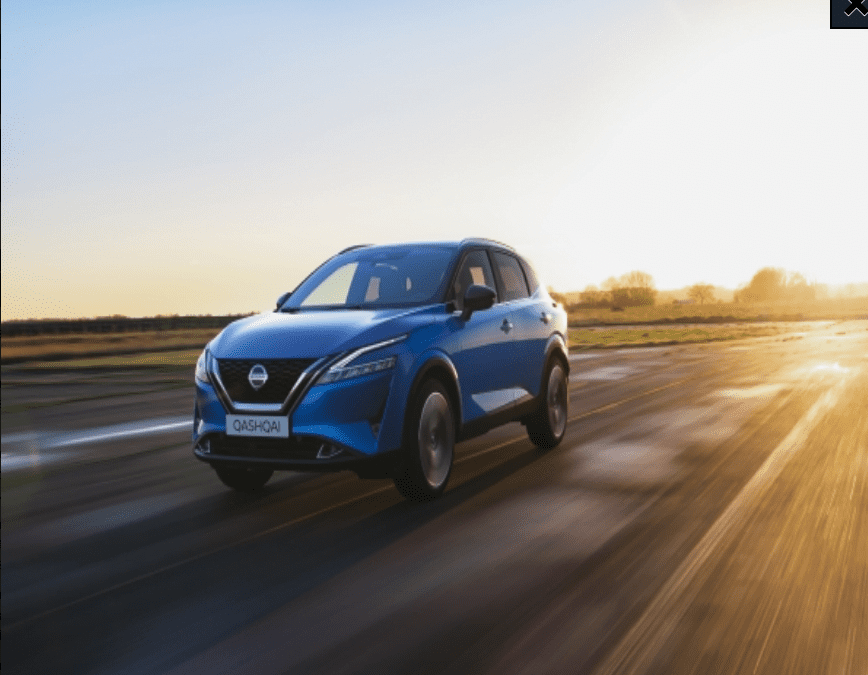
Nissan today reinforces its position as the leader in the European crossover segment with the unveil of the all-new, third generation Qashqai.
All-new Nissan Qashqai breaks cover Nissan today reinforces its position as the leader in the European crossover segment with the unveil of the all-new, third generation Qashqai.
All-new Nissan Qashqai: Connected technology The all-new Qashqai offers an advanced infotainment system with a class-leading portfolio of connected services including effortless integration of smartphones, in-car WiFi for up to seven devices and NissanConnect Services, a dedicated app with which to interact with and monitor the vehicle.
New research from the UK’s largest independent road safety charity, IAM RoadSmart, has revealed some positive long-term trends in relation to speeding behaviour in the UK with motorists now considering it less acceptable to speed than they did five years ago.
The findings come after recent provisional figures, released by the Department for Transport, highlighted that the number of UK road deaths was down significantly compared to the previous year due to less traffic being on the roads due to COVID-19.
IAM RoadSmart’s annual Safety Culture Report, which tracks drivers’ changing attitudes to key road safety issues over time, discovered that while there was a significant improvement towards speeding the figures were still worryingly high.
Out of the 2,000 motorists surveyed, 43 per cent (down from 55 per cent in 2016) thought it was acceptable to drive up to 80mph on a motorway and that 23 per cent (down from 28 per cent in 2016) thought it was acceptable to drive even faster than that.
Neil Greig, IAM RoadSmart Director of Policy & Research, said: “While there are signs of improvement, the results of this survey are still deeply concerning and there is clearly much more work to do on education and training.
“Speeding consistently causes more than 4,400 casualties on UK roads each year, which is an average of 12 people a day killed or injured on UK roads.”
The vast majority of drivers find it unacceptable to speed in towns and this has remained basically unchanged in the last five years. However, a disconcerting one in five of those surveyed still think it is acceptable to drive five miles-per-hour over the speed limit on a residential street and nearly one in ten thought it was acceptable to drive at these speeds outside a school.
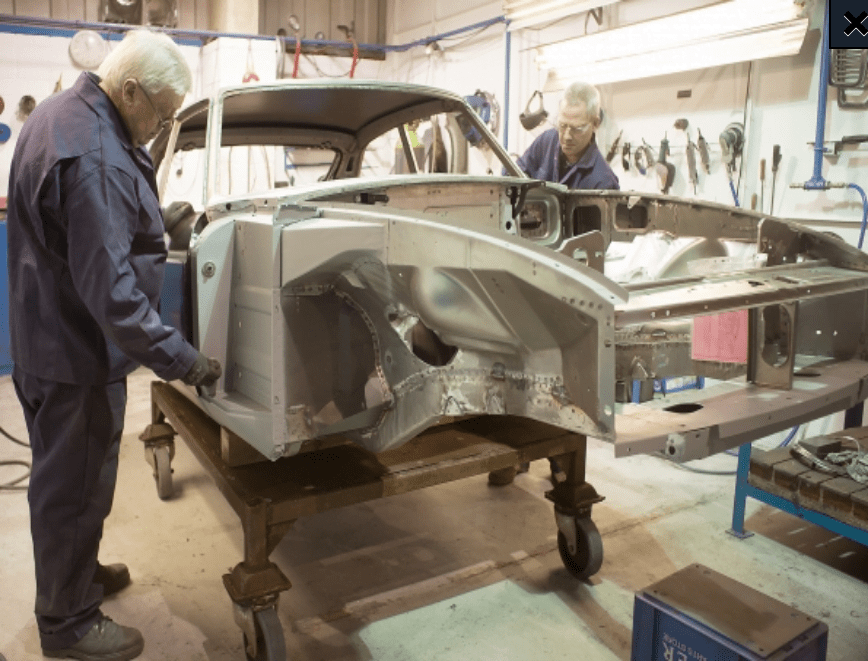
British Motor Heritage (BMH) builds two batches of replacement bodyshells for the MGB per annum, and orders for the first run of 2021 are required by March 31 latest.
So, all those in urgent need of a new shell should ring their nearest Heritage Approved Specialist without delay, a full list of which can be found at www.bmh-ltd.com.
As owners of the original tooling, BMH is the only company able to reproduce MGB bodies to exactly the same specification as those manufactured in period, and orders for replacement shells have for some time been rising year on year. They are available for all versions of the Roadster and GT with prices starting from £11,548.95 (inc. VAT). There is even the option of seam-welded bodies for competition use. The full range of complete shells and myriad of individual panels and related fixings is listed on the website.
Since its formation in 1975, British Motor Heritage has built over 6,100 replacement bodyshells for the MGB, MGR V8, MG Midget, Austin-Healey Sprite, Triumph TR6, original Mini and Mini Clubman, as well as literally tens of thousands of individual replacement panels. The decision to put such genuine components back into manufacture using the original tools has been the saviour of countless classic vehicles that would otherwise have been scrapped long ago.